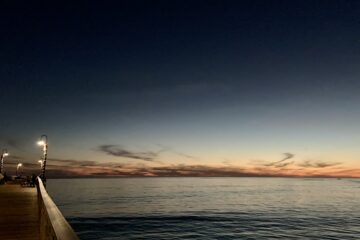
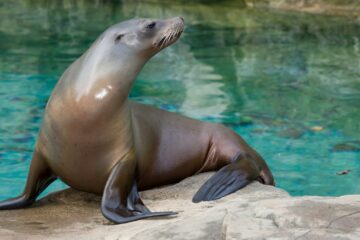
Leo Carrillo State Park packs more variety into one stop than almost any other beach in Malibu: 1.5 miles of sand, rocky reefs, tidepools full of sea stars and anemones, and sea caves you can walk into at low tide. This Leo Carrillo State Park guide covers tide timing, which side of the beach to choose, dog rules, and camping under the sycamores. The park sits at 35000 West Pacific Coast Highway, 28 miles northwest of Santa Monica near the Ventura County line, where Mulholland Highway meets the Pacific. It is part of the Santa Monica Mountains National Recreation Area, and it works as a quick stop on a Pacific Coast Highway drive or a full-day destination.
At a Glance: Leo Carrillo State Park
- Address: 35000 West Pacific Coast Highway, Malibu, CA 90265
- Beach: 1.5 miles of sand, reefs, tidepools, and coastal caves
- Day-use parking hours: 8:00 AM to 10:00 PM
- Day-use parking fee: $12 per car for the full day, with shorter options from $3 for one hour; check current fees before you go
- Best for: tidepooling at low tide, sea caves, surfing, surf fishing, beach camping, and family beach days
- Dogs: on leash in day-use areas, the campground, and North Beach (north of Lifeguard Tower 3); not allowed on South Beach or backcountry trails
- Camping: Canyon Campground, 135 tent and RV sites, reservable up to six months ahead through ReserveCalifornia
Tidepooling: The Best Part of This Leo Carrillo State Park Guide
The tidepools are the main reason many visitors choose Leo Carrillo over Malibu’s other beaches. At low tide, the rocky reefs along the shore are exposed, and the pools left behind hold sea stars, green and pink anemones, hermit crabs, mussels, barnacles, and small fish.
The pools are only worth exploring around low tide, and the best visits happen during the lowest tides of the month, usually around the new and full moons. Check a Leo Carrillo tide chart before you leave home and arrive an hour or two before the predicted low tide. Aim for a calm day, since rough surf makes the rocks slippery and dangerous, and never turn your back on the ocean.
Look and photograph, but do not pry animals off rocks, collect shells or creatures, or step on living reef — the pools are a protected marine habitat, and the animals are easy to harm without meaning to. Wear shoes with good grip and keep small children within arm’s reach. The reefs near the north end of the beach, around Sequit Point, are among the most productive spots for tidepooling in this Leo Carrillo State Park guide, and the rocky point between North Beach and South Beach is also worth exploring at low tide. Winter often brings the best daytime low tides, which is one reason this Leo Carrillo State Park guide calls the park a strong cold-weather beach pick.
Sea Caves and Rocky Reefs at Low Tide
Leo Carrillo’s sea caves are the park’s other signature feature. Carved into the sandstone cliffs and rocky outcrops by centuries of Pacific waves, the caves and arches are only safely reachable at low tide, when you can walk across the exposed reef to reach them. At high tide, the same passages fill with water and become inaccessible.
For cave exploring, this Leo Carrillo State Park guide recommends the same approach as tidepooling: check the tide times, arrive before low tide, and give yourself a clear margin to get back before the water returns. The window is usually a couple of hours on either side of the lowest tide, and you should not enter a cave if waves are washing into its mouth. The most photographed formations sit at the north end of the beach and around the rocky point that divides the two beaches. If you only have one low tide to work with, this Leo Carrillo State Park guide says to spend it at the north end, where the caves and the best pools sit side by side.
North Beach vs. South Beach: Which Side to Choose
Leo Carrillo’s 1.5 miles of beach are split into two sections by a rocky point, and the two sides have different rules and different moods. North Beach, north of Lifeguard Tower 3, is the dog-friendly side: leashed dogs are welcome on the sand here, which makes it one of the few state park beaches in the Malibu area where you can bring a dog. It is also the side with the best tidepools and sea caves, and the main day-use parking lot and campground sit on this side, so most visitors start here.
South Beach, south of Lifeguard Tower 3, is quieter and does not allow dogs. It is reached from a separate access point off Pacific Coast Highway, and it suits visitors who want a calmer stretch of sand. The South Beach staircase, damaged in the 2018 Woolsey Fire, is being replaced, with construction expected to run through December 2026, so check current access details before counting on that entrance. This Leo Carrillo State Park guide suggests starting on North Beach for the tidepools and caves, then moving to South Beach for a quieter afternoon.
Leo Carrillo State Park Guide to Camping Under the Sycamores
Camping is what turns Leo Carrillo from a beach stop into a weekend, and this Leo Carrillo State Park guide treats it as one of the park’s best features. The Canyon Campground sits in a shaded canyon just inland from the beach, under giant sycamores along Arroyo Sequit, with 135 sites for tents, trailers, and RVs up to 31 feet. Some sites have electrical hookups (20, 30, and 50 amp), and the campground has drinking water, flush toilets, showers, a dump station, fire rings, and picnic tables.
Reservations are made through ReserveCalifornia online or by phone at 1-800-444-7275, and they open up to six months in advance. Summer weekends sell out fast, so book the morning your dates open. Standard sites run $45 per night and sites with electricity $60 per night, per the National Park Service camping page, with a group site for 10 to 50 people at $225 per night and hike-and-bike sites at $10 per person, first-come, first-served. Check current rates when you book.
The campground is open year-round. Fires are allowed in the fire rings only when the fire level permits, so check the sign near the entrance kiosk first. The token-operated showers accept one-dollar bills only, so bring singles. The beach is a short walk away, and the day-use lot doubles as overflow parking.
Planning Your Day With This Leo Carrillo State Park Guide
Parking and fees. Day-use parking is open from 8:00 AM to 10:00 PM. The lot charges $12 per car for the full day, $9 for three hours, $6 for two hours, and $3 for one hour, according to California State Parks. Free parking is sometimes available along Pacific Coast Highway where posted, but those spots fill quickly on weekends. Arrive early on summer weekends, and check current fees on the official California State Parks page for Leo Carrillo before you go.
When to go. The park is open year-round. Winter brings the best daytime low tides; summer is warmest and busiest; fall is often the sweet spot, with warm water and thinner crowds. Whatever the season, this Leo Carrillo State Park guide says the same thing: check the tide chart first, since low tide unlocks the caves and pools.
What to bring. Water shoes with grip, sunscreen, layers for the marine layer and afternoon wind, drinking water, and snacks. Cell service can be spotty here, so this Leo Carrillo State Park guide suggests saving the tide times on your phone before you arrive.
Fire recovery and current status. The 2018 Woolsey Fire burned through much of Leo Carrillo, damaging the visitor center, lifeguard towers, and restrooms. The campground reopened in June 2019, and the park is currently listed as open with restrictions in services and facilities — check the official park page for the latest status. The National Park Service camping page is a useful cross-check for campground details and rates.
Dogs at Leo Carrillo State Park
Dogs are welcome on leash in the day-use areas, the campground, and North Beach, north of Lifeguard Tower 3. They are not allowed on South Beach or on the backcountry trails. For dogs, this Leo Carrillo State Park guide adds three reminders: bring water and a bowl; keep your dog leashed at all times; and plan beach time for the morning or late afternoon in the warm months, since the sand can get hot.
Frequently Asked Questions
Is Leo Carrillo State Park good for kids?
Yes. The tidepools are a natural draw for kids, the beach is wide and sandy, and the campground makes an easy first family camping trip. Go at low tide, bring water shoes, and keep children close on the wet rocks.
When is the best time to visit Leo Carrillo State Park?
Time your visit to a low tide, ideally one of the lowest tides of the month around a new or full moon, and arrive an hour or two before it. This Leo Carrillo State Park guide recommends checking the tide chart the night before and building the whole day around it.
Can you camp at Leo Carrillo State Park?
Yes. The Canyon Campground has 135 tent and RV sites, including sites with electrical hookups, plus hike-and-bike and group sites. Reservations open six months ahead through ReserveCalifornia, and summer weekends sell out quickly.
Are dogs allowed at Leo Carrillo State Park?
Leashed dogs are allowed in the day-use areas, the campground, and North Beach, north of Lifeguard Tower 3. Dogs are not allowed on South Beach or on the backcountry trails. Check current dog rules on the official park page before you bring a pet.
Why Leo Carrillo State Park Is Worth the Drive
Leo Carrillo earns its place on a Malibu itinerary because it offers more than a pretty stretch of sand. In a single visit you can explore tidepools at low tide, walk into a sea cave, and sleep under sycamores a short walk from the ocean — and few Southern California beaches welcome dogs and campers alongside day visitors. Use this Leo Carrillo State Park guide to time the tides, pick the right side of the beach, and book a campsite early. For more, see the Malibu travel guide and the best beach camping in Southern California roundup, and Visit California’s Malibu page for planning the rest of the coast.