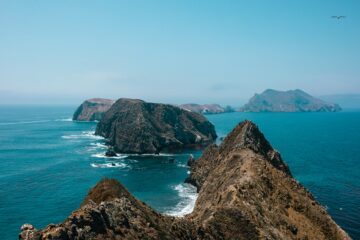
Three miles south of Carmel-by-the-Sea, a rocky headland juts into the Pacific where Monterey cypress trees bend in the wind, sea lions bark from offshore rocks, and turquoise coves glow beneath granite cliffs. This Point Lobos State Reserve guide covers the place California State Parks calls the crown jewel of the state park system: the best short trails, wildlife viewing, parking, and the rules that catch first-time visitors off guard.
Point Lobos at a Glance
- Where: Highway 1, three miles south of Carmel-by-the-Sea in Monterey County
- Hours: Generally 8 a.m. to 5 p.m., last entry 4:30 p.m.
- Entry fee: $10 per vehicle; $9 for seniors; $5 with a Disabled Discount Pass. Walk-ins and bike-ins are free
- Reservations: None for a regular day visit; required in advance for diving and snorkeling
- Parking: About 150 spaces inside the reserve; they fill fast on sunny weekends
- Dogs: Not allowed anywhere in the reserve, including inside parked vehicles
- Trails: More than 10 miles of trails, most of them short and easy
Use this Point Lobos State Reserve guide to plan around the parking crunch and know the rules before you go.
Why Point Lobos Is Worth the Trip
Point Lobos has earned its nickname. Landscape painter Francis McComas called it the greatest meeting of land and water in the world. The headland was known to the Rumsen Ohlone people as Ishxenta, a sacred place, long before whaling and quarrying. The state acquired the land in 1933, and the reserve now protects about 550 acres on land plus 775 acres of ocean.
What makes Point Lobos different is how much variety fits into a small space: one of only two naturally occurring Monterey cypress groves on Earth, emerald coves, sea otters in the kelp, and gray whales passing close to shore. Any Point Lobos State Reserve guide starts here: this is a reserve first and a park second, and the rules reflect it.
The Best Trails in This Point Lobos State Reserve Guide
The trails at Point Lobos are short nature walks. Most visitors string together two or three for a half-day visit, and this Point Lobos State Reserve guide lists them in walking order.
Cypress Grove Trail — 0.8-mile loop, easy
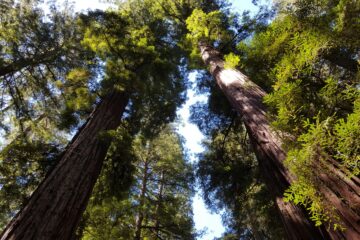
The 0.8-mile loop winds through the Allan Memorial Grove, one of only two places on Earth where Monterey cypress grows naturally (the other is across the bay in the Del Monte Forest). The first quarter mile is accessible; give it 20 to 30 minutes.
Sea Lion Point Trail — 0.4-mile paved loop, easy
You will probably hear Sea Lion Point before you see it. The paved 0.4-mile loop rounds Sand Hill to overlooks above Sea Lion Cove and Headland Cove, where California sea lions haul out on offshore rocks and bark loud enough to carry across the parking lot. Both trails start from the same parking area.
Bird Island Trail — 0.8-mile round trip, easy
From the southernmost parking lot, the Bird Island Trail passes China Cove, where the water turns emerald green and harbor seal pups rest on the rocks in spring, then continues past Gibson Beach to Bird Island, crowded with cormorants and pelicans. Plan about 30 minutes round trip.
South Shore Trail — about 2 miles, easy to moderate
The South Shore Trail links Sea Lion Point to the Bird Island parking lot along the southern coast. Walk it one way and combine it with Bird Island for a half-day route of about 3 miles.
The Full Loop — roughly 6.5 miles, moderate
Link the trails into a full loop of roughly 6.5 miles, covering nearly every cove and grove in three to four hours of walking. The reserve closes at 5 p.m., so start by late morning.
Wildlife Watching at Point Lobos
Wildlife is the main event here. Sea lions pile onto the rocks off Sea Lion Point year-round. Harbor seals rest in Sea Lion Cove and China Cove, with pups in spring. Sea otters float in the kelp just offshore.
Winter brings the gray whale migration: from December through April, gray whales pass close to shore, often visible from the headlands without a boat. Bird Island hosts Brandt’s cormorants, brown pelicans, black oystercatchers, and black-crowned night herons.
Keep your distance: federal guidelines recommend staying at least 100 yards from whales and 50 yards from seals, sea lions, and dolphins. Bring binoculars — as any good Point Lobos State Reserve guide will tell you, the best sightings here are often a few hundred feet offshore.
Whalers Cove and the Underwater Reserve
Whalers Cove is a calm, sheltered inlet where the Whalers Cabin Museum stands — a cabin built in the 1850s that housed Chinese and later Japanese fishermen and now shows the history of shore whaling on the Monterey Peninsula.
Under the water, Point Lobos is just as protected: kelp forests reach 70 feet high in the offshore underwater park. Diving and snorkeling are allowed only at Whalers Cove and Bluefish Cove, with an advance reservation and certification required. Only 10 dive teams of two are permitted per day, with fees of $20 on weekdays and $30 on weekends and holidays, plus a processing fee. Divers enter and exit only at the Whalers Cove ramp, and snorkeling is not permitted at China Cove or Gibson Beach. For the full rules and the reservation link, check the California State Parks SCUBA diving page. It is the one part of this Point Lobos State Reserve guide where booking ahead is not optional.
Planning Your Visit: A Point Lobos State Reserve Guide to Parking, Fees, and Hours
Parking is the one thing that trips up most visitors, which is why this Point Lobos State Reserve guide puts it first among the practical details. There are only about 150 spaces inside the reserve, at the entrance, Sea Lion Point, Cypress Grove, Whalers Cove, and Bird Island lots, and on sunny weekends they can fill by mid-morning. When they do, the gate closes and arriving cars wait for a space.
The Point Lobos Foundation recommends arriving before 9:30 a.m. or after 3 p.m., and weekdays are much quieter than weekends. If the lots are full, park on Highway 1 and walk in — but only in designated pullouts, completely off the roadway. Do not park illegally on the shoulder: it is dangerous, and it is ticketed. Vehicles over 21 feet long, including motorhomes and live-in vans, are not allowed inside the reserve at all.
The day-use fee is $10 per vehicle, $9 for seniors, and $5 with a Disabled Discount Pass; the receipt is good at other California state parks until closing the same day. Walk-ins and bike-ins are free. The reserve is generally open 8 a.m. to 5 p.m., with no entry after 4:30 p.m., and it can close for high winds or hazardous surf, so check the official California State Parks page for Point Lobos for the current status before you drive out.
Point Lobos sits on Highway 1 at the north end of Big Sur, so it pairs easily with a longer coastal drive. My Pacific Coast Highway road trip guide covers the full route and the stops around Carmel and Monterey. Bring layers — fog rolls in most mornings from July through September — plus water and food. A full visit takes two to five hours, so this Point Lobos State Reserve guide recommends starting at the Sea Lion Point lot and working south.
Rules to Know Before You Go
Point Lobos is a State Natural Reserve, not a regular state park, so the rules are stricter. This Point Lobos State Reserve guide lists the ones that surprise people most:
- Dogs: Dogs are not allowed anywhere within the reserve, and they cannot be left inside parked vehicles. Service dogs are accepted. Plan a dog-free stop.
- No swimming: Swimming is not allowed. The only way into the water is diving or snorkeling with an advance reservation at Whalers Cove or Bluefish Cove.
- No collecting: Shells, rocks, wood, plants, and animals are all protected by law. Take photos, leave everything where it is.
- Stay on trails: The cypress groves and bluff vegetation are fragile — stay on trails, and pack out everything you bring in.
- No drones, no bikes on trails, no fires: Drones are prohibited, bikes are allowed on pavement only, and smoking, fires, and alcohol are banned.
- No camping: Point Lobos is strictly day-use, and all visitors must leave by closing time.
- Marine life: The offshore area is part of the Monterey Bay National Marine Sanctuary, and marine mammals are protected under federal law.
Point Lobos State Reserve Guide FAQ
Do I need a reservation to visit Point Lobos?
No — you pay the day-use fee at the entrance and drive in. The exceptions are SCUBA diving and snorkeling, which require an advance reservation, and school groups, which must reserve. If the lots are full, you will wait at the gate for a space, or park in a designated Highway 1 pullout and walk in.
How much does it cost to enter Point Lobos?
The day-use fee is $10 per vehicle, $9 for seniors, and $5 with a Disabled Discount Pass. Walk-ins and bike-ins are free. Check the current fee on the official State Parks page before your visit.
Can I bring my dog to Point Lobos?
No. Dogs are not allowed anywhere within the reserve, including inside parked vehicles — only service dogs are accepted. Plan a separate stop at Carmel Beach instead.
How much time do I need at Point Lobos?
Plan two to five hours. The short version of this Point Lobos State Reserve guide is: arrive early, walk the Cypress Grove and Sea Lion Point loops first, then add Bird Island and the South Shore Trail. A full loop takes three to four hours of walking plus stops.
Conclusion
Point Lobos earns its reputation in a single visit: ancient cypress groves, barking sea lions, and emerald coves within a few miles of trail. This Point Lobos State Reserve guide boils down to a simple plan — arrive early, walk the Cypress Grove and Sea Lion Point loops, save Bird Island for later, and respect the rules that keep the place wild.
Heading south, Big Sur starts just past Carmel, and my guide to the best Big Sur viewpoints without hiking covers the roadside stops in order. The California coastal road trip routes will help you build it into a full Monterey-to-Big Sur trip. For diving details or closure notices, check the Point Lobos Foundation and See Monterey’s Point Lobos page before you go.