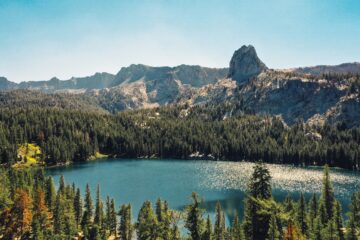
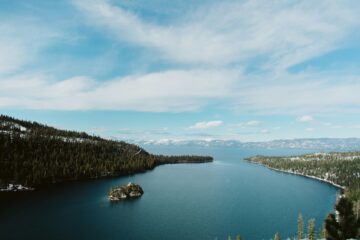
Sitting on U.S. Highway 395 between the Sierra Nevada and the White Mountains, Bishop is the largest town in the Owens Valley and one of the most practical Eastern Sierra bases. It has grocery stores, gas stations, motels, campgrounds, and restaurants on a walkable Main Street, and sits within reach of alpine lakes, world-class bouldering, wild trout water, and ancient trees. This Bishop California travel guide treats Bishop as a base camp: sleep in town, or camp nearby, and head out in a different direction each morning.
The appeal is the range of landscapes packed into a small radius, and this Bishop California travel guide covers them all. To the west, Bishop Creek Canyon climbs toward Lake Sabrina, South Lake, and North Lake, with trailheads into the John Muir Wilderness. To the east, the White Mountains rise to the Ancient Bristlecone Pine Forest, home to trees nearly 5,000 years old. To the south, the Owens River winds toward Lone Pine, and to the north, the highway runs toward Mammoth Lakes.
At a Glance
- Best for: Climbing and bouldering, trout fishing, hot springs, hiking, and Owens Valley day trips
- Base camp for: Bishop Creek Canyon, the Buttermilks, the Owens River Gorge, the Ancient Bristlecone Pine Forest, and the Alabama Hills
- Getting there: U.S. Highway 395, the main north-south route through the Eastern Sierra
- Know before you go: Elevations vary widely, so pack layers and check current road, weather, and campground conditions before heading up a canyon
- Use this Bishop, California travel guide as a base-camp plan: pick one direction per day
Why Bishop Works as an Eastern Sierra Base Camp
Bishop works as a base because it removes the logistics problems that complicate many Eastern Sierra trips. Supplies are easy to find in town, lodging ranges from motels to nearby campgrounds, and the town’s central position on Highway 395 keeps day trips in every direction within reach. The Bishop visitor bureau describes the town as the heart of the Eastern Sierra.
Season matters more here than in most California destinations, and this Bishop California travel guide plans around it. Spring and fall generally bring the most comfortable weather for climbing, hiking, and fishing in the valley, while summer is the season for the high country of Bishop Creek Canyon. Winter can be excellent for lower-elevation fishing and bouldering, but high-elevation roads and campgrounds close seasonally, so check current conditions before a high-country day. The town sits at roughly 4,000 feet, so visitors from sea level should take it easy on day one and save the steepest hikes for later.
Bishop California Travel Guide to Climbing
Bishop is known worldwide as a bouldering destination, and the Buttermilks, a jumble of granite boulders west of town, are the most famous climbing area in the region. Climbers come for the concentration of problems across a wide range of difficulty and the striking Sierra backdrop. The nearby Owens River Gorge offers roped climbing on basalt walls, and the Volcanic Tablelands to the north hold the Happy Boulders area, another well-known bouldering zone.
Climbing here rewards preparation, and this Bishop California travel guide stresses the basics: the rock is granite and volcanic stone, landings can be uneven, and crash pads are standard equipment for bouldering. Check current access information and seasonal closures before heading out, respect posted rules, and stay on established paths. The high desert sun is strong even on cool days, so bring sun protection, water, and layers. Non-climbers will still enjoy the boulder fields.
Bishop California Travel Guide to Fishing
Fishing is the other anchor of a Bishop trip. The Owens River flows through the valley and offers year-round opportunities in its lower sections, while Bishop Creek Canyon holds alpine lakes and streams that draw anglers through the warmer months. Lake Sabrina, South Lake, and North Lake are the best-known still waters in the canyon. The Inyo National Forest’s Bishop Region page lists the canyon’s campgrounds and recreation sites, a good first stop when planning which fork to fish.
This Bishop California travel guide flags one thing above all for anglers: California fishing regulations vary by water and season, and some stretches of the Owens River have special rules, including catch-and-release sections with barbless-hook requirements. Anglers age 16 and older need a valid California sport fishing license, available through the California Department of Fish and Wildlife. Check the current regulations for the exact water you plan to fish before casting a line. The annual Blake Jones Trout Derby in spring is a popular local event.
Bishop California Travel Guide to Hot Springs
After a day of climbing or fishing, Bishop’s hot springs are the classic way to unwind. Keough Hot Springs, south of town on Highway 395, is a developed pool with facilities, making it the easiest option for a straightforward soak. Check current hours and admission before going. Natural hot springs also exist in the wider Owens Valley, but they vary widely in temperature, access, and safety, and some are on private land or closed. Never assume a natural pool is safe: test the water carefully, watch for posted warnings, and skip any spring posted as closed or unsafe.
Hot springs etiquette matters where these spots are shared by locals and visitors alike, and this Bishop California travel guide recommends keeping it simple: keep noise down, pack out everything you bring, and leave the area as you found it. If you visit a natural spring, go with a companion and bring drinking water, since remote springs often have no cell service.
Day Trips from Bishop
One of the best reasons to base in Bishop is the quality of its day trips, and this Bishop California travel guide would be incomplete without them. The Ancient Bristlecone Pine Forest, reached by a winding road east of town into the White Mountains, holds some of the oldest living trees on Earth, with the oldest known tree verified at nearly 5,000 years old. The Schulman Grove area has interpretive trails through the groves. Check current road conditions before driving up.
South on Highway 395, the Alabama Hills near Lone Pine offer rounded granite boulders, natural arches like Mobius Arch, and views of Mount Whitney, the highest peak in the contiguous United States, making them a favorite day trip in this Bishop California travel guide. The Bureau of Land Management manages the area as a National Scenic Area, and camping is limited to designated sites marked with a tent symbol. The area has served as a filming location for more than 400 movies, and the Museum of Western Film History in Lone Pine adds context to a drive along Movie Road. Farther south, Manzanar National Historic Site preserves the site where more than 110,000 Japanese Americans were incarcerated during World War II; the grounds are open dawn to dusk, and visitor center hours vary, so check the National Park Service site for current hours.
Where to Stay and Eat in Bishop
Bishop’s lodging is practical rather than fancy, which suits a base-camp trip. Motels and inns line Main Street, and campgrounds in Bishop Creek Canyon put campers close to the lakes and trailheads. Many Forest Service campgrounds in the canyon are seasonal and were listed as closed at the time of research, so confirm current status before counting on a specific site. Lower-elevation campgrounds and RV parks in town offer year-round alternatives.
Dining in Bishop is similarly straightforward: Main Street holds restaurants covering a range of tastes and budgets, along with bakeries and coffee shops that open early for anglers and climbers heading out at dawn. The town also hosts seasonal events, including the Mule Days celebration and the Millpond music festival. Stock up on water, food, and fuel in town before heading into the canyons or the White Mountains, where services are sparse. For lodging, this Bishop California travel guide recommends booking ahead in peak seasons, when motels and campgrounds fill.
Practical Information
A car is essential for a Bishop trip. Highway 395 is the spine of the region, with Highway 168 heading west into Bishop Creek Canyon and east toward the White Mountains and the bristlecone forest. Roads into the high country are steep, winding, and subject to seasonal closure, so check current conditions, carry a paper map, and fill the tank in town. Cell service is unreliable in the canyons, so download maps before leaving Bishop.
Altitude and weather deserve respect throughout this Bishop California travel guide. Temperatures can swing dramatically between the valley floor and a lake at 9,000 feet, and afternoon thunderstorms are possible in the mountains in summer. Bears are active in the Bishop Creek area, so store food properly. Leave No Trace practices apply everywhere: pack out trash, stay on trails, and respect closures.
For more trip ideas, see the Wandering California guides to Alabama Hills near Lone Pine, where to sleep in your car legally in California, and Joshua Tree in two days. Official planning resources include the Bishop visitor bureau’s things to do page, the Inyo National Forest Bishop Region page, Manzanar National Historic Site, the Bureau of Land Management’s Alabama Hills page, and the California Department of Fish and Wildlife licensing page.
Frequently Asked Questions
When is the best time to visit Bishop?
Spring and fall are generally the most comfortable seasons for climbing, hiking, and fishing in the valley, while summer is best for the high lakes and trails of Bishop Creek Canyon. Winter suits lower-elevation fishing and bouldering, but high-country roads and campgrounds close seasonally.
Do I need a fishing license to fish near Bishop?
Yes, anglers age 16 and older need a valid California sport fishing license, available through the California Department of Fish and Wildlife. Some waters have special regulations, including catch-and-release and barbless-hook rules, so check the current regulations for each water.
Is Bishop a good base for a first-time Eastern Sierra trip?
Yes. Bishop’s central location on Highway 395, its range of lodging and services, and its proximity to climbing, fishing, hot springs, and day trips make it one of the easiest Eastern Sierra bases for a first visit. This Bishop California travel guide recommends one direction per day.
Conclusion
Bishop earns its reputation as an Eastern Sierra base camp the practical way: it puts climbing, fishing, hot springs, alpine lakes, ancient trees, and sobering history all within a day’s drive of a town with real services. Stay in town or camp in the canyon, pick one direction each morning, and let the valley set the pace. Plan around the seasons, check current conditions before heading into the high country, and leave time for an unplanned stop along Highway 395. That is the heart of this Bishop California travel guide.