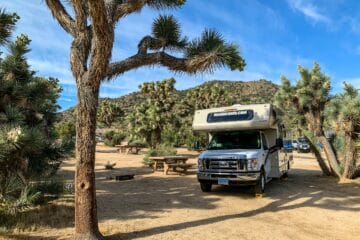
Camping in Joshua Tree offers an otherworldly desert experience that draws thousands of visitors annually, but first-time campers often arrive unprepared for the unique challenges and rewards this iconic park presents. Whether you’re planning a weekend getaway or a longer adventure, understanding the essentials of camping in Joshua Tree will transform your trip from stressful to spectacular.
Related articles:
Car Camping Joshua Tree California — 8 Best Campgrounds Ranked • 12 Ultimate Camping Joshua Tree Spots for Desert Adventures
Joshua Tree National Park sits on the border of two deserts—the Mojave and the Colorado—creating a landscape unlike anywhere else in California. The park spans 790,636 acres of dramatic rock formations, twisted Joshua Trees, and starlit skies. But camping in Joshua Tree isn’t like pitching a tent in a typical California campground. It demands respect, preparation, and knowledge of what makes this desert environment so special.
This guide covers 10 essential camping Joshua Tree tips that will help you avoid common mistakes, maximize your experience, and return home with memories instead of regrets.
1. Book Your Camping Joshua Tree Site Far in Advance—and Know Your Options
The biggest mistake first-time visitors make is assuming they can show up and find a camping spot in Joshua Tree. They can’t. The park has only five developed campgrounds with 501 total sites, and they fill up months ahead of time during peak seasons (October through April).
Reservation Strategy:
- Reserve sites exactly 5 months in advance through Recreation.gov, which opens bookings at 7 a.m. Pacific time. Mark your calendar and be ready to click.
- Jumbo Rocks Campground ($50/night): The most scenic option with massive boulder formations and no hookups. Sites 128–199 offer the best views. Reserve 5 months out.
- Ryan Ranch Campground ($25/night): Budget-friendly, quieter, no water or hookups. Great if the main sites are booked. Elevation 5,460 feet means cooler temperatures.
- Hidden Valley Campground ($25/night): Intimate, shaded by Joshua Trees. Only 39 sites make this the hardest to book. Perfect for families.
- Cottonwood Campground ($25/night): Near the south entrance, best for stargazing in open desert. Less crowded than Jumbo Rocks.
- Sheep Pass Campground ($25/night): Six group sites ($40–$75) are ideal if you’re camping in Joshua Tree with friends or family groups.
If camping at Joshua Tree’s developed sites is sold out, backcountry camping is allowed with a free permit obtained at visitor centers. However, backcountry camping requires serious desert experience and careful water management.
2. Water Is Your Most Critical Resource When Camping Joshua Tree
Joshua Tree has no natural water sources. Every drop must be brought in or obtained from park facilities. This is non-negotiable and overlooked constantly.
Water Facts for Camping Joshua Tree:
- Only Cottonwood Campground and Oasis of Mara have reliable water spigots ($1.50 per gallon if you fill containers).
- Jumbo Rocks, Ryan Ranch, and Hidden Valley have no water hookups or spigots.
- Bring a minimum of 1 gallon per person per day for drinking and cooking. For hygiene, consider 2–3 gallons per person daily.
- Camp stores outside the park (in Joshua Tree town) sell bottled water, but expect to pay $2–$3 per gallon. Bring your own from home.
- Never rely on finding water once you arrive. Fill up before entering the park at gas stations in Twenty-Nine Palms or Joshua Tree town.
Many campers underestimate water needs and regret it mid-trip. Err on the side of excess.
3. Master Temperature Swings Before Camping in Joshua Tree in Desert Seasons
Joshua Tree’s desert climate creates dramatic temperature swings that catch unprepared campers off guard. Days can reach 100°F+ while nights plunge below 40°F, even in mild seasons.
Packing Strategy by Season:
- October–November (Peak): Days 85–95°F, nights 50–60°F. Bring layers: t-shirt, fleece, and jacket. A sleeping bag rated to 40°F is sufficient.
- December–February (Winter): Days 60–75°F, nights 35–45°F. Sleeping bag rated to 20–30°F essential. Thermal layers, a warm hat, and hand warmers are recommended. Winter camping in Joshua Tree is beautiful but unforgiving.
- March–April (Spring): Days 85–100°F, nights 55–65°F. High winds are common. Secure everything and bring a windbreaker.
- May–September (Summer): Days 105–115°F, nights 75–85°F. Only experienced desert campers should attempt this. Heat exhaustion and dehydration are serious risks. Most camping Joshua Tree sites close or see minimal activity.
Even experienced campers are surprised by the cold at night. Your tent provides minimal insulation in the desert. Invest in a quality sleeping bag rated for lower temperatures than you think you’ll need.

4. Time Your Camping Joshua Tree Trip to Avoid Crowds and Extreme Heat
Peak season for camping in Joshua Tree runs from October through April. Within that window, some weeks are better than others.
Best Times to Camp:
- Late October and Early November: Weather is perfect, crowds are manageable, and water concerns are minimal. Mid-week visits (Tuesday–Thursday) see fewer people than weekends.
- January–February: Coldest months, smallest crowds, and lowest prices. Sunrise hikes are spectacular. Bundle up.
- Avoid: Thanksgiving week, Christmas, New Year’s, and spring break weekends. Campgrounds fill within minutes of opening.
Never attempt camping in Joshua Tree from June through September. Heat exceeds 110°F regularly, and it’s genuinely dangerous. Park visitation drops 80% in summer for good reason.
5. Plan Your Camping Joshua Tree Itinerary Around Hiking and Stargazing
Camping at Joshua Tree is the jumping-off point for exploration. Most visitors spend 2–3 days in the park. Here’s a realistic schedule:
Day 1 (Arrival Day):
- Arrive by early afternoon. Set up camp.
- Pay park entrance fee ($30 per vehicle, valid 7 days). Stop at Visitor Center (open 8 a.m.–5 p.m.) for maps and trail conditions.
- Take an easy evening walk near your campground to acclimate to the elevation and terrain.
- Watch the sunset from Jumbo Rocks or Keys View.
Day 2 (Full Park Exploration):
- Sunrise hike: Barker Dam Trail (1.3 miles) or Skull Rock Trail (1.8 miles). Start before 7 a.m.
- Mid-morning: Drive scenic Park Boulevard and stop at overlooks (Rock Garden, Cholla Cactus Garden).
- Afternoon: Moderate hike like Ryan Mountain (3 miles round trip) or Lost Palms Oasis (3.2 miles).
- Evening: Stargazing. Joshua Tree is an International Dark Sky Park. Download a stargazing app and spend time identifying constellations. Bring a red flashlight to preserve night vision.
Day 3 (Departure or Extended Stay):
- Sunrise hike to Keys View or Wall Street Mill Trail.
- Visit the Oasis of Mara visitor center for desert ecosystem education.
- Pack out and drive home.
6. Prepare for Wildlife Encounters and Park Regulations When Camping in Joshua Tree
Camping in Joshua Tree means sharing space with desert wildlife. Most animals avoid humans, but preparation prevents problems.
Wildlife to Know:
- Coyotes: Active at dawn and dusk. Keep pets in your tent. They pose minimal threat to humans but will investigate food.
- Rattlesnakes: Present but rare. Wear boots while hiking, watch where you place your hands, and never hike at night.
- Scorpions: Small and shy. Wear shoes to the bathroom at night. Check inside your sleeping bag before lying down.
- Roadrunners and Quail: Harmless and entertaining to watch.
Food Storage Rules:
- Store all food, toiletries, and trash in your vehicle or bear locker. Never leave anything outside your tent.
- Pack out all trash—the park has no trash service. “Leave No Trace” is strictly enforced.
- Dispose of gray water (dishwasher) away from camp in designated areas. Never dump near your site.
Park Rules That Matter:
- Quiet hours: 9 p.m.–8 a.m. Generators are prohibited entirely.
- Fires: Ground fires allowed only in existing fire rings. Bring your own firewood ($5–$10 per bundle at camp stores). Dead wood collection is prohibited inside the park.
- Off-trail hiking: Allowed and encouraged, but bring a map and stay aware of landmarks.
7. Essential Gear Checklist for Successful Camping Joshua Tree Trips
The desert forgives nothing. Forgotten items often mean uncomfortable nights or dangerous situations when camping in Joshua Tree.
Non-Negotiable Gear:
- 4-season tent or quality 3-season tent (desert winds are fierce; ensure good stakes and guy lines)
- Sleeping bag rated 15–20°F lower than expected nighttime temps
- Sleeping pad (insulation from cold ground, not just comfort)
- Water containers (minimum 5-gallon capacity per person)
- Headlamp or flashlight with extra batteries (red lens preferred for night visibility without disrupting sleep)
- Warm layers and a rain jacket (yes, rain happens in the desert)
- Sun protection: hat, sunglasses, SPF 50+ sunscreen
- First aid kit with blister treatment and tweezers (for cactus spines)
- Map and compass or GPS device
- Multi-tool or knife
- Camping stove and fuel (charcoal grills allowed in fire rings)
Nice-to-Have Items:
- Portable solar charger for phones
- Binoculars for wildlife watching
- Camp chairs
- Portable speaker (respect quiet hours)
- Stargazing app (Stellarium is free and excellent)
8. Know the Best Hikes Near Camping Joshua Tree Campgrounds
The park’s 83+ miles of trails range from casual desert walks to challenging backcountry routes. Hiking is the heart of any Joshua Tree camping experience.
Best Hikes by Difficulty:
Easy (Under 2 miles):
- Barker Dam Trail (1.3 miles): Shaded by Joshua Trees, leads to a historic dam. Best early morning.
- Skull Rock Trail (1.8 miles): Loop around massive boulders. Starts near Jumbo Rocks Campground.
- Hidden Valley Trail (1 mile): Completely different—surrounded by towering rock walls. Perfect sunset hike.
Moderate (2–5 miles):
- Ryan Mountain (3 miles): 1,000-foot elevation gain. 360-degree views of the park. Start early to avoid the afternoon heat.
- Lost Palms Oasis (3.2 miles): Desert oasis with fan palms and a water source. Most scenic mid-range hike.
- Cholla Cactus Garden (0.25-mile loop): Short but iconic. Golden hour light makes it magical.
Challenging (5+ miles):
- Wall Street Mill (4.5 miles): Historic gold mine ruins and desert vistas. Steep, rocky descent.
- Wonderland of Rocks Loop (varies): Backcountry scrambling through boulder formations. Experienced hikers only.
Always bring maps, water, and a fully charged phone. Cell service is spotty. Check the National Park Service website for current trail conditions before heading out.
9. Budget Realistically for Your Camping Joshua Tree Trip
Many first-timers underestimate total costs. Here’s a real breakdown for camping in Joshua Tree:
Per-Person Costs (2-Day/1-Night Trip):
- Park entrance fee: $15 (split vehicle cost of $30)
- Campground: $25–$50 per night (depends on site)
- Gas to/from park: $20–$40 (depends on distance)
- Food and water: $30–$50
- Firewood: $5–$10
- Total: $95–$165 per person for basic trip
Longer trips and peak-season sites cost more. Budget extra for unexpected needs.
Money-Saving Tips:
- Camp mid-week (cheaper rates and fewer people) instead of weekends
- Shop for groceries in your hometown before arriving at Joshua Tree—stores in town are pricier
- Use free activities: hiking, stargazing, and sunset watching don’t require entry fees once you’ve paid park admission
- Bring firewood from home if possible (check state regulations for transporting wood)
10. Local’s Tips: What Guides Know About Camping Joshua Tree
After countless visits, experienced desert campers have learned subtle lessons that transform camping in Joshua Tree from tolerable to transcendent.
Insider Knowledge:
- Arrive with a full tank: Gas stations are 20+ miles away. Running on empty is a serious problem.
- Sunset > sunrise: While sunrise hikes are popular, sunset is more dramatic in Joshua Tree. Crowds are smaller, light is warmer, and animals are more active.
- Off-season visits are underrated: January and February see 60% fewer visitors but offer perfect camping conditions. Bring cold-weather gear and embrace the solitude.
- Download offline maps: Cell service fails regularly. Use AllTrails or Maps.me offline before camping in Joshua Tree.
- Visit the Visitor Center first: Rangers provide current conditions, water status, and personalized recommendations. Takes 15 minutes and improves your trip immensely.
- Bring extra water containers: Even experienced camping Joshua Tree visitors run low. Carry empty 5-gallon containers, fill them at Cottonwood, and have backup reserves.
- Stay 3+ nights if possible: Two days feels rushed. Three days lets you explore thoroughly, rest, and truly experience the park’s rhythm.
Planning Your First Camping Joshua Tree Adventure
Camping in Joshua Tree is unforgettable because it’s challenging. The desert demands respect, preparation, and humility. But those who approach it properly unlock an extraordinary California experience.
Start by booking your campground 5 months in advance through Recreation.gov. Pack sufficient water, quality cold-weather gear, and genuine maps. Plan a realistic itinerary mixing short and long hikes. Respect park rules and wildlife. And most importantly, embrace the desert’s beauty and harshness without complaint.
If you’re planning a broader Southern California adventure, explore our guide to the best camping in Southern California to discover other world-class desert and mountain sites.
For additional planning resources, check out our comprehensive guide to desert hiking in California, which includes trails and tips for other iconic desert regions.
The first Joshua Tree camping trip is rarely perfect. You’ll forget something, wish you’d packed more water, or misjudge a hike’s difficulty. That’s normal. Each visit teaches lessons that make the next one better. Return home tired, dusty, and starlight-drunk—that’s when you’ll know camping at Joshua Tree was worth every preparation minute.