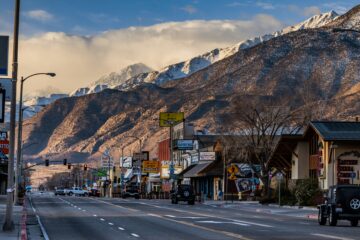
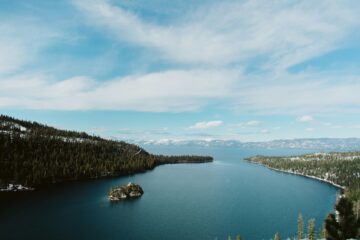
Few California mountain towns change character as completely with the seasons as Mammoth Lakes. In winter, it is a serious ski town wrapped around one of the largest resorts in the state. In summer, the same slopes give way to lift-served mountain biking, and the lakes basin above town fills with hikers and paddlers. This Mammoth Lakes travel guide covers both versions of the town, plus the quieter seasons in between, so you can plan around snow, road access, and crowds.
At a Glance
This Mammoth Lakes travel guide at a glance:
- Where: Mammoth Lakes, Mono County, in the Eastern Sierra, off Highway 395 via Highway 203
- Base elevation: About 7,953 feet in town, rising to 11,053 feet at the Mammoth Mountain summit
- Best for: Skiing, alpine lake hikes, mountain biking, fishing, and scenic drives
- Getting there: Drive Highway 395, or check current flight options into Mammoth Yosemite Airport and Bishop
- Know before you go: Winter driving can require chains, and seasonal roads such as the Devils Postpile Road and Tioga Road should always be checked for current access
A Mammoth Lakes Travel Guide to Winter: Skiing and Snow
Winter is what made Mammoth famous. Mammoth Mountain lists more than 3,500 acres of skiable terrain, 25 lifts, and 181 trails, with a summit at 11,053 feet. The season is famously long, often running from November well into spring, but exact opening and closing dates vary with snowfall, so check current conditions and lift status before booking. Beginners have dedicated learning areas, intermediates have miles of groomed cruisers, and advanced skiers head for the upper mountain when conditions allow.
Non-skiers are well served in this Mammoth Lakes travel guide to winter, too, with snowshoeing, cross-country skiing on groomed Nordic trails, snowmobile tours in designated areas, and scenic gondola rides for views without skis. The Village at Mammoth, near Canyon Lodge, is the social center after the lifts close. Plan a slower first day if you are arriving from sea level: town sits near 8,000 feet and the summit is above 11,000 feet, so hydration and pacing matter even on a bluebird day. Book lodging early for holiday weekends, carry chains, and use town transit where possible, since lodge parking fills on busy days.
Summer Lakes and Hikes in This Mammoth Lakes Travel Guide
Summer in Mammoth Lakes is a different trip entirely, and many visitors prefer it. The Mammoth Lakes Basin, a chain of alpine lakes above town, is the centerpiece: Lake Mary is the largest and most developed, with campgrounds and a marina area, while Twin Lakes, Lake George, and Horseshoe Lake offer quieter shorelines and trailheads. Easy lakeside strolls suit families, while longer trails climb from the basin into the Ansel Adams Wilderness, where wilderness permits are required for overnight trips. Check current permit rules with the Forest Service before setting out.
The resort transforms in summer as well. Mammoth Mountain Bike Park offers more than 80 miles of singletrack, according to the resort, with lift-served downhill trails and cross-country routes. Scenic gondola rides run in summer too, giving non-riders access to summit views. The Lakes Basin Path provides a paved, multi-use route that is a good first outing for families and anyone adjusting to the elevation. Fishing is another summer draw in the Lakes Basin, Mammoth Creek, and nearby waters such as Convict Lake and Crowley Lake; check current regulations before casting. Pack layers even in summer: mornings can be cool, afternoon thunderstorms are possible, and the sun is strong at elevation.
Devils Postpile in This Mammoth Lakes Travel Guide
No summer visit is complete without Devils Postpile National Monument, a striking wall of columnar basalt formed by ancient lava cooling into hexagonal columns. The monument sits in Reds Meadow Valley, southwest of town, and the short trail from the ranger station is one of the most accessible geology walks in California. Continue on to Rainbow Falls, a 101-foot waterfall on the Middle Fork of the San Joaquin River, for a rewarding half-day hike.
Access is the part to plan carefully, and this Mammoth Lakes travel guide stresses it for a reason. During the shuttle season, most visitors must ride the mandatory Reds Meadow shuttle from near Mammoth Mountain Main Lodge into the valley, with stops at Devils Postpile and Rainbow Falls trailheads. The National Park Service getting-around page for Devils Postpile explains the shuttle system and exceptions. Visit Mono County notes that Reds Meadow Road has been under reconstruction, so check current access and shuttle schedules before you go. Outside shuttle season, driving may be possible when the road is open, but winter snow closes it for the season.
For hikers wanting more, the valley is a gateway to the John Muir Wilderness. The Inyo National Forest River Trail page describes the route from Agnew Meadows toward Thousand Island Lake, following the Middle Fork of the San Joaquin River to junctions with the Pacific Crest and John Muir Trails. This is active bear country, so bear-resistant food storage is required, and stream crossings can run high during spring snowmelt. Backpackers should secure wilderness permits well ahead for popular routes.
Fall Color, Spring Snow, and the Shoulder Seasons
Fall and spring are the quiet rewards of the year. In fall, aspen groves around town, along the June Lake Loop, and in eastern Sierra canyons turn gold, and summer crowds thin. It is an excellent season for hiking, fishing, and scenic driving, though nights turn cold and early snow can close high roads. Some summer services wind down in fall, so confirm lodging and shuttle availability before arrival.
Spring is the season of contrasts in this Mammoth Lakes travel guide: the ski mountain often still holds deep snow while lower trails begin to thaw, and the town is quieter than in midwinter. High-elevation trails may still be snow-covered, and seasonal roads such as Tioga Road into Yosemite typically remain closed until snow is cleared, so build in a backup plan on Highway 395.
Practical Information for a Mammoth Lakes Travel Guide
In this Mammoth Lakes travel guide, altitude is the single most important practical factor. Drink water steadily, wear sunscreen even on cloudy days, and take it easy on your first day at elevation. Weather can change quickly in the mountains in every season: pack layers and sun protection even for a summer lake day, and carry chains and emergency supplies for winter driving.
Store food in bear-resistant containers where required, never approach wildlife, and follow Leave No Trace practices on trails and at lakeshores. Wilderness permits are required for overnight trips in the surrounding wilderness areas, and campfire rules vary with fire restrictions, so check current regulations with the Inyo National Forest before your trip. Dogs are welcome in many outdoor areas but must be leashed, and some trails and shuttle services have specific pet rules. Lift tickets, lodging, and rentals are priced at resort levels, so check current prices and consider midweek dates for lower rates. For current lodging and events, the official Visit Mammoth site is a good starting point.
Day Trips in This Mammoth Lakes Travel Guide
Mammoth Lakes makes an excellent base for the Eastern Sierra. The June Lake Loop, a scenic drive north of town on Highway 158, passes four alpine lakes and offers fishing, hiking, and fall color in a compact loop. To the north, Mono Lake’s tufa towers are a short drive away: our Mono Lake guide covers South Tufa, birding, and the Bodie ghost town add-on. Heading south on Highway 395, the Alabama Hills near Lone Pine offer rounded boulder fields, movie history, and easy arch hikes beneath Mount Whitney. If you are road-tripping the full 395 corridor, our guide to where to sleep in your car legally in California covers legal overnight options along the route.
Yosemite is the most ambitious day trip in this Mammoth Lakes travel guide. In summer, when Tioga Road is open, the drive over Tioga Pass into Yosemite’s high country is one of California’s great scenic routes, but the road closes in winter and opening dates vary with snowpack, so check current status before planning a Yosemite day. When Tioga Road is closed, Yosemite Valley is a much longer drive around the Sierra, so most visitors are better off saving Yosemite for a separate trip. Start day trips early and fuel up in Mammoth Lakes before remote stretches of Highway 395.
Frequently Asked Questions
When is the best time to visit Mammoth Lakes?
Winter is best for skiing and snowboarding, summer is best for alpine lakes, hiking, and mountain biking, fall is best for aspen color and quieter trails, and spring offers late-season skiing with fewer crowds. This Mammoth Lakes travel guide is built for all four seasons, so choose the season that matches your activity, then check current road and snow conditions.
Do I need a car in Mammoth Lakes?
A car is helpful, especially in summer for trailheads and day trips along Highway 395. Once you are in Mammoth Lakes, however, free town transit connects the Village, lodges, and town stops, and the Reds Meadow shuttle serves Devils Postpile in season.
How many days do you need in Mammoth Lakes?
For this Mammoth Lakes travel guide, two to three days cover the highlights in any season: a ski or bike day on the mountain, a lakes basin or Devils Postpile day, and a day trip or slower town day. A full week lets you add June Lake, Mono Lake, and longer hikes without rushing.
Is Devils Postpile open year-round?
No. The monument and Reds Meadow Valley are seasonal: the road closes in winter due to snow, and summer access is typically by mandatory shuttle during shuttle season, with road reconstruction affecting access in recent seasons. For this Mammoth Lakes travel guide, always check current Park Service and Forest Service guidance first.
Conclusion
Mammoth Lakes rewards visitors who match the season to the activity: deep snow in winter, alpine lakes and high trails in summer, gold aspens in fall, and soft spring snow when crowds thin. Plan around altitude, check current conditions for seasonal roads and shuttles, and give yourself an extra day for a Highway 395 day trip if you can. Use this Mammoth Lakes travel guide as a starting point, then let current conditions shape the final itinerary.