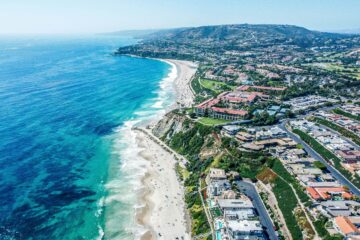
Malibu is not one beach but a long string of them, backed by the Santa Monica Mountains and linked by Pacific Coast Highway. This Malibu travel guide will help you pick the right stretch of sand, the right hike, and the right stop for dinner, whether you have a single afternoon or a full weekend. Expect wide beaches, cliff-top viewpoints, sea caves at low tide, and a slower pace than the beach towns closer to Los Angeles — plus a drive that is half the experience.
At a Glance: Malibu Travel Guide
- Best family beach: Zuma Beach, with wide sand, lifeguards, and a large parking lot
- Best for photos: El Matador State Beach, with sea caves and rock formations, best at low tide
- Best for whale watching: Point Dume State Beach, especially from December through April
- Best inland hike: Solstice Canyon or Malibu Creek State Park
- Best cultural stop: the Getty Villa at the eastern edge of Malibu
- Driving note: Pacific Coast Highway is the only coastal route, so allow extra time on weekends and check current road and trail conditions before you go
Start at the Malibu Pier and Surfrider Beach
The historic Malibu Pier is the natural first stop on any Malibu travel guide itinerary. The pier stretches over the water beside Surfrider Beach, where surfers ride the well-known breaks below. Walk the pier for views of the coastline, watch the surfers, and stop for a meal at the farm-to-table restaurant at the end of the pier. Beside the pier sits Malibu Lagoon State Beach, a calmer stretch of sand that is good for a relaxed beach walk and birdwatching at the lagoon.
If you are new to Malibu, this area gives you the classic postcard in one stop: pier, surf, and mountains behind the beach, and it is a perfect opening chapter for any Malibu travel guide. It is also close to the eastern end of town, so it pairs well with a visit to the Getty Villa, which sits just down the coast. Admission to the Getty Villa is free, though you need a timed-entry reservation, so book ahead and check current reservation details before you go. The villa, modeled on a Roman country house, holds ancient Greek and Roman art, and its gardens alone are worth the visit.
Zuma Beach and Point Dume
For a classic beach day, head to Zuma Beach, one of Malibu’s most popular and family-friendly beaches. The sand is wide, the parking lot is large, and lifeguards, restrooms, and volleyball courts make it an easy all-day stop. The surf here can be strong, so swim near lifeguard stations and check current ocean conditions. Zuma Beach is also a good base for the western half of Malibu, with Point Dume just to the east and El Matador a short drive west.
Point Dume State Beach is the headland that separates Zuma from the rest of Malibu’s coast. A short climb from the parking area leads to cliff-top trails with sweeping ocean views, and the beach below has tide pools worth exploring at low tide. From December through April, this is one of the best land-based whale-watching spots in Los Angeles County, so bring binoculars if you visit in winter or early spring. Together, Zuma and Point Dume anchor the middle of this Malibu travel guide, and they are easy to pair in a single day.
El Matador, Leo Carrillo, and the Wilder West
West of Point Dume, Malibu’s coast gets wilder and more photogenic. El Matador State Beach, part of Robert H. Meyer Memorial State Beach, is famous for its sea caves, arches, and rock formations rising out of the sand. The beach is reached by stairs from the parking area, and it is best at low tide, when you can walk among the rocks and explore the caves. Arrive early on weekends, since the small lot fills up, and check current tide times before you go.
Farther west, Leo Carrillo State Park offers 1.5 miles of beach plus campgrounds, tide pools, coastal caves, and backcountry trails. It is the best choice in this Malibu travel guide if you want to stay overnight near the beach, with campsites shaded by giant sycamores and reservations available through the state park system. Dogs are allowed on parts of the park under the rules posted at the entrance, so check current dog rules before you bring a pet. Between El Matador and Leo Carrillo, smaller coves like La Piedra and El Pescador offer similar geology with fewer people.
Malibu Travel Guide: Hikes in the Santa Monica Mountains
Malibu is as much a hiking destination as a beach destination, and the Santa Monica Mountains rise directly behind the coast. Solstice Canyon is a favorite easy hike, with a shaded canyon trail leading to a small waterfall and the stone ruins of an old mansion. The trail is about three miles round trip and suits most fitness levels, though it can be hot in summer, so start early and carry water. Malibu Creek State Park, a short drive inland, offers longer trails through oak woodlands and along the creek, plus picnic areas and a seasonal waterfall after winter rains.
Before you hike, check current trail conditions. Some inland Malibu trails and access points have been closed at times after wildfires, and closures change over time, so confirm the status of the exact trail you plan to use with the managing agency. Escondido Falls is another popular canyon hike, with a tall seasonal waterfall at the end of a wooded trail. Whichever trail you choose, this Malibu travel guide recommends hiking in the morning, when the light is good, the trails are quieter, and the marine layer keeps temperatures down.
Malibu Travel Guide: Where to Eat and Stay
Malibu’s food scene ranges from casual seafood shacks to upscale ocean-view dining. Near the pier, you will find farm-to-table cafes and fresh seafood with views of the surf. Along Pacific Coast Highway, classic stops serve fish and chips, tacos, and burgers at picnic tables, while a few well-known restaurants offer splurge-worthy dinners above the water. If you are planning a special meal, book ahead, since popular Malibu restaurants fill up on weekends.
For where to stay, Malibu has a small number of boutique hotels and inns, including well-known stays near Surfrider Beach and along the coast, plus vacation rentals scattered through the canyons. Rooms book up early in summer and on holiday weekends, and rates are high compared with beach towns farther south, so check current availability and prices before you commit, as any good Malibu travel guide should warn you. If Malibu hotels are full, Santa Monica and Calabasas both make good bases, with Malibu’s beaches a short drive away. This Malibu travel guide works just as well as a day trip from either town.
Practical Tips
- Driving: Pacific Coast Highway is scenic but slow on weekends, with limited passing lanes and frequent stops. Allow extra time, and never stop in a travel lane for a photo.
- Parking: beach lots charge a fee, while street parking along the highway is free where posted but limited. Check current parking rules and fees before you go.
- Tides: many of Malibu’s best features, from sea caves to tide pools, are only accessible at low tide. Check current tide times before you plan a beach walk, since tide timing shapes much of this Malibu travel guide.
- Dogs: Dogs are not allowed on some state beaches, so check current rules for the exact beach you plan to visit.
- Fire and closures: check current conditions with California State Parks and the local mountains conservancy before hiking inland trails, since fire-related closures change over time.
Frequently Asked Questions
What is the best beach in Malibu for a first visit?
Zuma Beach is the easiest first choice, with wide sand, facilities, and plenty of parking. If you want scenery and photos instead, go to El Matador State Beach at low tide. This Malibu travel guide pairs the two well: Zuma for a beach day, El Matador for sunset.
Is Malibu a good day trip from Los Angeles?
Yes. Malibu is about an hour from central Los Angeles in light traffic, though the drive can take longer on weekends. A day trip works well if you pick two or three stops, such as the pier, Zuma Beach, and one hike, rather than trying to see the whole coast in one day.
When is the best time to visit Malibu?
Malibu is pleasant year-round, with warm, dry summers and mild winters. September and October often bring warm weather and smaller crowds, while winter is best for whale watching from Point Dume. Spring brings wildflowers to the canyon trails after winter rains.
Do you need reservations for the Getty Villa?
Yes. Admission is free, but timed-entry reservations are required, and they can sell out on weekends. Check current reservation details on the official site before you go.
Conclusion
Malibu rewards a slow approach: pick a beach, take a hike, watch the sunset, and save the rest for next time. From the pier and Surfrider Beach to Zuma, Point Dume, El Matador, and Leo Carrillo, the coast offers a different mood at every stop, and the mountains behind it add hikes and views that most beach towns cannot match. Use this Malibu travel guide to plan your first trip, and you will leave already thinking about the beaches you did not reach.
For more Los Angeles coast planning, see our weekend getaways near Los Angeles, our California coast road trip on a budget, and our Laguna Beach vs Malibu comparison. For official details, see Visit California’s Malibu page, Malibu Creek State Park, the Angeles District state parks and beaches, the Santa Monica Mountains Conservancy’s Malibu coast parks, and Zuma Beach information.