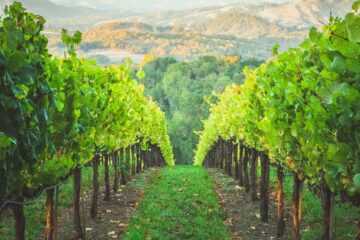
This Anderson Valley wine guide covers a slow, scenic wine weekend in Mendocino County, where Highway 128 winds past vineyards, redwoods, and farm towns. Anderson Valley is one of California’s quietest wine regions, known for cool-climate Pinot Noir, bright Alsace-varietal whites, and sparkling wine made in the traditional French style. The valley runs about 15 miles along Highway 128, from Boonville to Philo.
At a Glance
- Where: Anderson Valley, Mendocino County, along Highway 128 between Cloverdale and the coast
- Known for: Pinot Noir, sparkling wine, Gewurztraminer, Pinot Gris, Riesling, and Chardonnay
- Towns: Boonville, Philo, Navarro, and Yorkville
- Best time: Spring and fall for mild weather and fewer crowds
- Getting there: About 2.5 hours from San Francisco via US-101 and Highway 128
- Don’t miss: A sparkling wine tasting, a walk through Hendy Woods, and a farm stop in Boonville
- How to use it: Use this Anderson Valley wine guide as a weekend plan, not a checklist: pick three or four tastings a day.
Anderson Valley wine guide: Planning Your Weekend
This Anderson Valley wine guide works best as a two-day trip: arrive Friday evening or Saturday morning, taste in the afternoon, sleep in the valley, and use Sunday for redwoods and one last tasting. Most tasting rooms cluster around Boonville and Philo. Book tastings ahead, especially on weekends, since many small rooms take appointments and hours change with the season. Check the Anderson Valley Winegrowers Association’s visitor guide for current tasting-room details.
The valley earned its AVA status in 1983, a year after Champagne Louis Roederer chose Anderson Valley for its California sparkling wine home. Warm days and fog-cooled nights keep acidity bright in Pinot Noir and Chardonnay, so the wines taste fresher and lighter than riper styles from warmer parts of California. Anderson Valley also sits on the route in our Northern California wine country road trip, which pairs it with four other lesser-known wine regions.
Anderson Valley wine guide: Pinot Noir Tasting Stops
Pinot Noir is the heart of this Anderson Valley wine guide, and Philo is where most of the tasting happens. Start with the valley’s oldest winery, Husch Vineyards, founded in 1971 at 4400 Highway 128 in Philo. Its tasting room is a converted pony barn from the 1800s, and the lineup covers Pinot Noir, Chardonnay, and Gewurztraminer. A short drive away, Navarro Vineyards at 5601 Highway 128 in Philo pours estate Pinot Noir alongside Alsatian-style whites and non-alcoholic grape juices.
Goldeneye Winery, at 9200 Highway 128 in Philo, makes Pinot Noir exclusively and hosts the valley’s annual Pinot Noir Festival. Toulouse Vineyards, at 8001 Highway 128 in Philo, sits on a 160-acre property above the Navarro River, with a patio that looks out over the valley below.
The Sparkling Wine Trail
The sparkling wines in this Anderson Valley wine guide deserve a full afternoon of their own. The star is Roederer Estate, the California home of Champagne Louis Roederer, at 4501 Highway 128 in Philo. The estate makes Brut, Brut Rose, L’Ermitage, and L’Ermitage Rose from Pinot Noir and Chardonnay grapes in the traditional method. Tastings are listed in the $25-$40 range, but check current fees before you go. Dogs are allowed on the patio, though only service dogs are permitted inside the tasting room. See the Roederer Estate listing for current hours.
Scharffenberger Cellars, at 8501 Highway 128 in Philo, has made sparkling wine by the traditional method since 1981, pouring everything from a classic Brut to a darker Brut Black Label. Foursight Wines, a small family-owned winery at 14475 Highway 128 in Boonville, pours a non-vintage Brut Nature from its dog-friendly tasting room. For the full lineup of bubbly producers, the winegrowers association’s sparkling wine trail maps the stops from Boonville to Philo.
Alsace Whites and Farm Stops
The Alsace-varietal whites are the valley’s quiet surprise, and the farm stops round out this Anderson Valley wine guide. Gewurztraminer, Pinot Gris, and Riesling thrive in the same cool climate as Pinot Noir, and they pour aromatic, food-friendly, and usually more affordable than the reds. Navarro and Husch both pour strong versions.
Pennyroyal Farm, at 14930 Highway 128 in Boonville, is the valley’s best farm stop. It is a working farm with a creamery and winery on a 23-acre vineyard, and the goat barn is a favorite with families. The farm also makes its own sparkling wines.
For a break from wine altogether, Anderson Valley Brewing Company in Boonville pours craft beer in a big outdoor beer garden. It is a useful reset between tastings, and the brewery’s spring beer festival is one of the valley’s biggest annual events.
A Redwood Break at Hendy Woods
A redwood break this Anderson Valley wine guide recommends is Hendy Woods State Park, just off Highway 128 near Philo. The park protects two groves of old-growth coast redwoods, Big Hendy at 80 acres and Little Hendy at 20 acres, with trees over 300 feet tall and 1,000 years old. Trails wind through fern-filled forest, including the 0.6-mile wheelchair-accessible Discovery Trail through Big Hendy Grove.
The park sits on the Navarro River and provides the only public access to the river in the valley. Swimming is popular in summer, and kayaking is possible when water levels are high enough. There are 92 campsites and four cabins, plus a day-use picnic meadow. The day-use fee is $10 per vehicle, and the park is open daily from 8 a.m. to sunset. Dogs must stay leashed in the campground and day-use area, and dogs are not allowed on the trails. Check the official Hendy Woods State Park page for current conditions and camping reservations.
Where to Stay: Farm Stays and Small Inns
Staying in the valley is the move this Anderson Valley wine guide recommends most, because it turns a long day trip into a real weekend. Lodging here is small scale: inns, bed and breakfasts, farm stays, and vacation rentals around Boonville and Philo, plus the cabins and campgrounds at Hendy Woods. Book well ahead for weekends. If the valley is full, the town of Mendocino on the coast is about a 45-minute drive west on Highway 128 and makes a good second base. Our Mendocino village guide covers the headlands, the Ford House, and a simple one-day plan for the coast.
Getting There and Practical Details
The practical side of this Anderson Valley wine guide starts with the drive. From San Francisco, take US-101 north to Cloverdale, then turn west on Highway 128 through Yorkville, Boonville, Philo, and Navarro. The trip takes about 2.5 hours without stops, though traffic can stretch it closer to three. Santa Rosa airport, about an hour away, is the closest commercial airport. Check the full California coastal road trip guide if you want to pair the valley with the coast in one trip, since Highway 128 meets Highway 1 at the ocean.
A few practical notes:
- Cell service is spotty. Download maps and tasting reservations before you leave the Bay Area.
- Designate a driver. Tasting rooms are spread along Highway 128, and there is no rideshare coverage to rely on in the valley.
- Check road conditions in winter. Highway 128 near the Navarro River can flood after heavy rain, so check Caltrans before driving in stormy weather.
- Fees change. Confirm current prices on each winery’s site and the Meet Mendocino Hendy Woods listing before you go.
- Dogs: Rules vary by place. Dogs are welcome on some tasting-room patios and in some campgrounds, but not on Hendy Woods trails or inside most tasting rooms. Check each stop’s current policy first.
A 2-Day Anderson Valley Wine Guide Weekend
This Anderson Valley wine guide weekend fits into two easy days. On day one, drive in before lunch, taste Pinot Noir at Husch and Navarro in Philo, then stop at Roederer Estate for sparkling wine in the late afternoon. On day two, start with the Discovery Trail at Hendy Woods, then taste at Toulouse and Foursight, stop at Pennyroyal Farm for cheese and a last glass of bubbles, and drive out in the late afternoon.
FAQ
How many days do you need in Anderson Valley? Two days is the sweet spot in this Anderson Valley wine guide. One day covers the main tasting rooms but leaves no time for Hendy Woods or a slow farm stop. Three days lets you add the coast.
What is Anderson Valley known for? Cool-climate Pinot Noir first, then sparkling wine and Alsace-varietal whites such as Gewurztraminer, Pinot Gris, and Riesling.
Do you need reservations for wine tasting in Anderson Valley? Many tasting rooms take walk-ins, but the smaller ones often require appointments, especially on weekends. Book ahead for any tasting you have your heart set on.
Is Anderson Valley dog-friendly? Partly. Some tasting rooms welcome dogs on outdoor patios, and leashed dogs are allowed in the Hendy Woods campground and day-use area, but not on the park’s trails.
When is the best time to visit Anderson Valley? Spring and fall offer the mildest weather and the thinnest crowds. Summer is warm and dry inland, and winter is quiet and green, though rain can affect driving conditions.
Conclusion
Anderson Valley rewards travelers who slow down. The Pinot Noir is world class, the sparkling wine rivals the best in California, and the tasting rooms are small enough that the people pouring remember you. This Anderson Valley wine guide is built around that pace: a few good tastings a day, a walk under thousand-year-old redwoods, and a night in a small valley town.