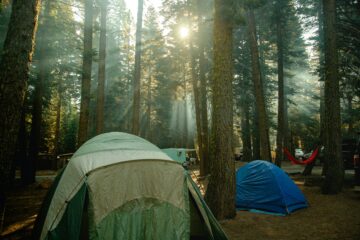
California is the only state where a single road trip can take you from the tallest trees on Earth to the hottest desert in North America, and a California national parks road trip is the way to see all of it. Nine national parks sit inside one state — more than any other — according to the National Park Service’s California park list, ranging from foggy redwood groves to a boat-only island chain off the Southern California coast. This guide lays out a 10-day loop from San Francisco that hits all nine parks, with the pass math, the ferry logistics, and the seasonal windows that make the whole thing possible.
A California national parks road trip at this pace is a fast highlights tour, not a slow vacation: roughly one park a day, with two days at Redwood and Yosemite. If you have more time, stretch it. If you have 10 days, this is the route.
At a Glance
- Route: San Francisco loop, 10 days, 9 national parks
- Parks: Redwood, Lassen Volcanic, Yosemite, Sequoia, Kings Canyon, Death Valley, Joshua Tree, Channel Islands, Pinnacles
- Pass math: paying per park costs $190 in entrance fees; the America the Beautiful pass is $80 for US residents
- Best windows: late May through June, or September through early October
- Know before you go: no timed-entry reservation is required to enter Yosemite in 2026; Channel Islands needs a booked ferry; Tioga Road and the Lassen Park Highway are seasonal
- Pace: one park per day on a California national parks road trip at this speed — honest highlights pace, not a deep dive
The Pass: How This Trip Pays for Itself
Buy the pass before you do anything else on a California national parks road trip. Entrance fees per private vehicle, good for seven days, are $35 at Yosemite, $35 for Sequoia and Kings Canyon together, $30 at Death Valley, $30 at Joshua Tree, $30 at Pinnacles, and $30 at Lassen Volcanic in the high season ($10 in winter). Channel Islands charges no entrance fee, and Redwood is free to enter. Paying park by park adds up to $190, so the America the Beautiful pass at $80 for US residents and citizens pays for itself less than halfway through the loop. Nonresidents pay $250 for the annual pass in 2026. Seniors 62 and older pay $20 for an annual pass or $80 for a lifetime one, and military members, visitors with a permanent disability, and fourth graders get in free.
Two details matter for international visitors. Non-US residents age 16 and older pay an extra $100 per person at 11 parks, including Yosemite and Sequoia and Kings Canyon — unless they enter with an annual or America the Beautiful pass, which waives the surcharge. And the 2026 fee-free days are now for US citizens and residents only. The pass covers entrance fees only, not camping, tours, or reservations, so book campgrounds and permits separately on Recreation.gov.
Note that several parks on this route no longer accept cash, so bring a card. Buy the pass at the first park you enter, or get a digital pass through Recreation.gov before you leave home — a physical pass ordered by mail can take up to three weeks. On a California national parks road trip, the pass is the one purchase that pays for itself before you are halfway done.
When to Go: The Two Windows That Work
No single season suits all nine parks, so a California national parks road trip has to thread a needle. Death Valley is brutally hot in summer, while Tioga Road through Yosemite and the Lassen Volcanic National Park Highway are closed by snow in winter, usually from November through May. That leaves two windows when the full loop is drivable: late spring, once Tioga Road and the Lassen highway open (typically late May or June), or early fall, in September and early October, before the snow closes them again.
Late spring brings snowmelt waterfalls in Yosemite and wildflowers in the desert parks. Early fall brings cooler desert temperatures, thinner crowds, and the best odds of clear Channel Islands crossings. Either window works for a California national parks road trip; the wrong move is trying to force all nine parks into a summer or winter trip. Check road status the week you travel — Tioga Road’s status flipped between open and temporarily closed within days in early November 2026, and it is entirely snow-dependent.
California National Parks Road Trip: The 10-Day Itinerary
The loop below starts and ends in San Francisco and runs north to south, which avoids backtracking. Driving legs between parks are long — plan on a full driving day between some stops, and treat the driving itself as part of the trip rather than dead time.
Days 1–2: Redwood National Park
Start north. Redwood is the natural first stop on a California national parks road trip from San Francisco, and it protects the tallest trees on Earth. It is free to enter — there are no entrance stations, though some state-park day-use areas charge and developed campgrounds run $35 a night through ReserveCalifornia. Spend the first day on the Avenue of the Giants and a short grove walk, and the second on Fern Canyon and the coast. Two days here is the right call: the park is spread out, the light in the groves is best in the morning, and the fog is part of the experience.
Day 3: Lassen Volcanic National Park
From Redwood, head inland to Lassen Volcanic, the least-visited park on this California national parks road trip and the easiest to underestimate. The 30-mile park highway crosses a landscape of steaming fumaroles, cinder cones, and alpine lakes, and Bumpass Hell — the park’s largest hydrothermal area — usually opens by mid-July. The park itself is open 24 hours a day, 365 days a year; the highway is the constraint, closing to through traffic in winter. One full day covers the highway drive, the Bumpass Hell trail, and a stop at Manzanita Lake. See our Lassen Volcanic guide for the highway stops in order.
Days 4–5: Yosemite National Park
Cross the Sierra on Tioga Road, seasonal and snow-dependent, for two days in Yosemite. Two days here is the minimum a California national parks road trip can give Yosemite, and it is still not enough — plan to come back. No timed-entry reservation is required to enter Yosemite in 2026, according to the National Park Service reservation page, but lodging, campgrounds, Half Dome permits, and wilderness permits still need separate advance booking through Recreation.gov — and Yosemite campgrounds sell out within minutes of release. Spend day one in the Valley (El Capitan, Bridalveil Fall, the Valley floor loop) and day two on Glacier Point Road or the Tuolumne Meadows high country, if Tioga Road is open. Our Yosemite first-timers guide covers what to see first and what to skip.
Day 6: Sequoia and Kings Canyon National Parks
South from Yosemite, Sequoia and Kings Canyon share one $35 vehicle pass and one continuous landscape of giant sequoias and deep canyons — the midpoint of this California national parks road trip. Drive the Generals Highway to the Giant Forest, stand under the General Sherman Tree, and descend into Kings Canyon if time allows — the canyon is quieter than the groves and worth the detour. There is no gas or EV charging inside either park, so fuel up before you enter, and check the Generals Highway status in winter storms. Crystal Cave tours need advance tickets and ended for the 2026 season, resuming in late spring. Our Sequoia and Kings Canyon guide has the grove-by-grove plan.
Day 7: Death Valley National Park
From the Sierra, drop into Death Valley, the lowest, driest, and hottest place in North America — and the biggest climate swing on a California national parks road trip. The $30 entrance fee is good for seven days, and the park is cashless. In the right season — November through March is the comfortable window — the stops are Badwater Basin, Zabriskie Point, Artist’s Drive, and Mesquite Flat Sand Dunes. In summer, visit at dawn, carry far more water than you think you need, and never hike in the midday heat. Gas is available inside the park at Furnace Creek and Stovepipe Wells, but it is expensive; fill up before you enter.
Day 8: Joshua Tree National Park
Joshua Tree is the desert park most people picture first when they imagine a California national parks road trip: two deserts meeting, twisted Joshua trees, and boulder piles that look stacked by hand. The $30 entrance fee covers seven days. The best use of one day is the park road from the west entrance to Keys View, with short walks at Skull Rock and Hidden Valley, and sunset at Keys View if the light cooperates. Summer heat here is serious, so plan the same dawn-and-dusk rhythm as Death Valley. Campgrounds inside the park are reservation-only in the busy season — book through Recreation.gov well ahead.
Day 9: Channel Islands National Park
The island day is the logistical crux of a California national parks road trip. Channel Islands has no entrance fee and no roads, no food, no water, and no services on the islands — the ferry is the whole trip. The Island Packers ferry from Ventura Harbor is the only public boat access, with Anacapa about an hour from Ventura. Book the ferry in advance, bring all your food and water, and plan on a full day: the crossing, a hike or kayak, and the crossing back. Santa Cruz Island is the most-visited island, with sea caves and snorkeling; Anacapa is the shortest trip. One 2026 note: a wildfire burned 18,379 acres on Santa Rosa Island in May and June, day use reopened July 1, and backcountry camping in the southeast quadrant stayed closed for the rest of the 2026 season — check current conditions before choosing an island.
Day 10: Pinnacles National Park and the Drive Home
Finish at Pinnacles, the newest and smallest park on this California national parks road trip, known for its volcanic rock formations, talus caves, and condors. The $30 entrance fee is good for seven days and the park is cashless. One day covers the High Peaks Trail or the Balconies Cave route, and the east and west sides of the park do not connect by road — pick one side and commit to it. From Pinnacles, it is a straightforward drive back to San Francisco to close the loop.
Practical Tips for the Drive
Book lodging and campgrounds before you leave, not on the road. That is the single most common mistake on a California national parks road trip. National park campgrounds on this route are mostly reservation-only in the busy season, and Yosemite’s sell out within minutes. In-park lodging in Yosemite, Sequoia, and Death Valley also books months ahead. Outside the parks, gateway towns — Crescent City, Redding, Fresno, and the towns along Highway 395 — are the practical overnight stops, and they are also where you will find gas, groceries, and a full meal.
Pack for four climates in one trip. The coast is foggy and cool, the Sierra is cold at elevation even in summer, and the desert parks are hot by mid-morning. Layers, a warm jacket for the high country, sun protection for the desert, and more water than feels reasonable are the packing list. Cell service is unreliable inside most of these parks, so download offline maps before you leave each gateway town.
FAQ
How long does a California national parks road trip take? Ten days is the minimum for all nine parks at highlights pace — one day per park, two days at Redwood and Yosemite. Fourteen days is far more comfortable and lets you add a second day in Yosemite, Sequoia, and Joshua Tree.
Do I need reservations to enter the parks? No California national park requires an entrance reservation or timed entry in 2026. Yosemite dropped its timed-entry system for 2026. Campgrounds, lodging, and some tours and permits still need advance booking through Recreation.gov.
What is the best month for a California national parks road trip? Late May through June, once Tioga Road and the Lassen highway open, or September through early October, before snow closes them. Both windows avoid the worst desert heat and the winter road closures.
Can I do this trip in a regular car? Yes. Every road on this California national parks road trip is paved and suitable for a standard car, including the park highways. No four-wheel drive is needed, though a car with good clearance helps on the unpaved roads to some trailheads.
Is the America the Beautiful pass worth it for this trip? Yes. Per-park entrance fees total $190 across the six parks that charge, against $80 for a resident annual pass. Buy it at the first park you enter or as a digital pass on Recreation.gov.
The Bottom Line
A California national parks road trip is the most concentrated version of the state there is: nine parks, four climates, and a loop you can drive in 10 days if you keep moving. Buy the pass, book the ferry and the campgrounds early, pick late spring or early fall, and let the long driving days do what they do best — put distance between one world and the next.