If you want Gold Rush streets and serious wine in one walkable weekend, this Sutter Creek travel guide is the place to start. Sutter Creek sits in the Sierra foothills of Amador County, about 45 miles southeast of Sacramento, pairing one of the prettiest Main Streets in Gold Country with a wine scene that rewards a slow pace. Spend a morning tracing quartz-mining history, an afternoon tasting old-vine Zinfandel steps from your inn, and an evening over dinner in a 19th-century building, all without moving the car.
The town’s scale is what makes the weekend work: incorporated in 1854, Sutter Creek remains a small town of roughly 2,600 people, with a historic core compact enough to explore entirely on foot. Tasting rooms, shops, galleries, restaurants, and inns line Main Street, with the Shenandoah Valley a short drive away. This Sutter Creek travel guide is built around two unhurried days: one on foot in town, and one by car in the wine country.
At a Glance: Sutter Creek in Brief
- Best for: A relaxed wine-tasting weekend with Gold Rush history built in
- Base yourself: On or near Main Street, so you can walk to tasting rooms and dinner
- Getting there: Highway 49 through Gold Country, or Highway 88 from the Sacramento area
- First stop: The Sutter Creek Visitor Center at 71A Main Street for maps and current event listings
- Day two: A drive into the Shenandoah Valley for vineyard tasting rooms
- Good to know: Many small businesses keep limited hours; check current hours first
Sutter Creek Travel Guide: Walking Main Street
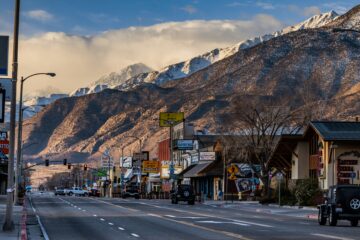
Main Street is the heart of the visit, and it is worth slowing down for. Its 19th-century buildings, with filigreed balconies cantilevering over the sidewalks, earned Sutter Creek its nickname, the Jewel of the Mother Lode. Sunset magazine once asked whether it was the prettiest Main Street its readers had ever seen.
Start at the Visitor Center for a walking map of the town’s landmarks, then simply wander. Antique shops, boutiques, gift shops, and art galleries fill the historic storefronts.
The Gold Rush story here is about quartz, not placer gold. Quartz gold was discovered in Sutter Creek in 1851, and by the 1860s eight quartz mines were operating nearby, sustaining the town well into the 20th century. That deep-rock mining heritage built the substantial brick and wood buildings you see today.
Gold Rush History Beyond the Storefronts
For a deeper look at that industrial past, plan around the Knight Foundry at 81 Eureka Street. Established in 1873 by Samuel Knight, it is America’s last water-powered foundry and machine shop, and its historic equipment still stands in its original context. It is a National Historic Mechanical Engineering Landmark on the National Register, and it opens for public tours on the second and fourth Saturdays of each month, with docents firing up historic forges and demonstrating sand casting. Check the current schedule first. Details are on the Knight Foundry site.
In town, the Monteverde Store Museum is the 1896 general store that once sold residents nearly everything they needed; it now displays that era’s paraphernalia on its original shelves and is open on weekends. The Visitor Center’s 18-stop Gold Mine Trail brochure maps a driving route through the county’s mining landmarks.
If you have a second morning, Indian Grinding Rock State Historic Park near Pine Grove is well worth the drive, and any complete Sutter Creek travel guide should mention it. The 135-acre park preserves a marbleized limestone outcropping with some 1,185 mortar holes, the largest collection of bedrock mortars in North America, plus a reconstructed Miwok village and the Chaw’se Regional Indian Museum. The day-use area is open from sunrise to sunset; the museum is open daily 10 a.m. to 4 p.m., closed on Thanksgiving, Christmas, and New Year’s Day. Dogs are allowed only on paved paths. Check current conditions on the California State Parks page for Indian Grinding Rock.
Wine Tasting on Main Street
Sutter Creek’s tasting rooms are the easiest introduction to Amador wine: walk from one to the next without driving. Part of the Wine on 49 collection, Main Street pours the wines that made Amador County’s reputation: above all old-vine Zinfandel, plus Barbera, Syrah, and Italian and Rhône-style varietals.
Bella Grace Vineyards keeps a tasting room in a Victorian house at 73 Main Street, pouring old-vine Zinfandels alongside olive oils and balsamic vinegars. Scott Harvey Winery, a Main Street mainstay, is celebrated for its Zinfandel, Barbera, and Syrah. Both are good first stops for the region’s style: bold, fruit-forward reds shaped by warm foothill days and cool nights. A Sutter Creek travel guide that skipped these two rooms would miss the town’s wine story entirely.
The practical move this Sutter Creek travel guide recommends is to taste in town on your arrival day, when you can walk back to your inn, and save vineyard properties for a full second day. Fees, reservations, and hours vary by room, so check current details before you go. The Sutter Creek visitor site lists tasting rooms, restaurants, and lodging in town.
Sutter Creek Travel Guide: A Shenandoah Valley Wine Day
On your second day, drive into the Shenandoah Valley, the rolling vineyard country around Plymouth and the heart of Amador wine country, where the Amador Vintners Association counts more than 50 member wineries. The valley’s reputation rests on old vines: Zinfandel has grown here since the Gold Rush era.
A sensible loop keeps to three or four wineries in a day, with a picnic stop in between. Andis Wines, on Shenandoah Road in Plymouth, offers vineyard views, bocce, and a lineup from Sauvignon Blanc and Semillon through Barbera, Petite Sirah, and old-vine Zinfandel. Amador Cellars, on the same road, focuses on estate-grown Zinfandel and Mediterranean varietals. Avio Vineyards and Winery, on Ridge Road in town, pours smooth Italian-style wines from a farmstead-style estate.
The Amador Wine Country winery directory is the best tool for building your route, since it lists each winery’s location, hours, and whether it welcomes walk-ins, requires reservations, or offers picnic areas. Use it to pick a loop that fits your pace. In fall harvest season, expect busier tasting rooms and book ahead where reservations are recommended.
Where to Eat and Stay in Sutter Creek
Wine tasting builds an appetite, and this Sutter Creek travel guide points first to Main Street. The Sutter Restaurant, inside the Hotel Sutter, serves classic entrees with seating along the building’s elevated porch. The Sutter Creek Cheese Shoppe stocks artisanal cheeses and specialty foods ideal for a wine-country picnic. For something more casual, Sutter Creek Provisions combines a bottle shop, a beer bar, and charcuterie boards, while Chocolatte on Main Street is the stop for coffee, fresh-baked goods, and hand-dipped pecan turtles. Hours can be limited, especially on weekdays and in winter, so confirm before your trip.
Staying in town avoids a driving dilemma on your Main Street day, and this Sutter Creek travel guide recommends a Main Street base for a first visit. The Hotel Sutter is the grand dame of Main Street, a historic hotel in the center of everything. The Hanford House Inn, in a distinctive brick building with cottages on the property, blends Sutter Creek history with a more contemporary feel. Bed-and-breakfast inns, cottages, and vacation rentals round out the options; book ahead for fall weekends, when the town’s small inns fill quickly.
Practical Information
For this Sutter Creek travel guide, the key logistics are simple: the town sits on Highway 49 in Amador County, about 45 miles southeast of Sacramento. From the Bay Area, drive through Stockton and Jackson or via Sacramento; from Lake Tahoe, take Highway 88 through Kirkwood. The town’s core is walkable, with public lots serving Main Street; arrive early on weekends and event days.
- Visitor Center: The Visitor Center at 71A Main Street is staffed by volunteers and is the best first stop for maps and event information. Hours can vary, so check current hours before you go.
- Tasting rooms: Fees, reservations, and hours vary; some rooms welcome walk-ins, others require reservations. Confirm before you go, and plan no more than three or four stops a day.
- When to go: Spring brings wildflowers, fall brings harvest season, and winter is quietest. Summer days are warm, so favor late-morning tastings.
- Designated driver: Valley wineries are spread out along country roads, so plan a driver, tour, or rideshare in advance.
For statewide context, Visit California’s Sutter Creek guide covers Main Street, history, wine, and lodging in one overview.
Sutter Creek Travel Guide FAQ
How many days do you need in Sutter Creek?
Two days is the sweet spot for this Sutter Creek travel guide: one day on foot on Main Street, and one day driving the Shenandoah Valley. A single day works for Main Street alone, but you will miss the vineyard side.
Is Sutter Creek walkable?
Yes. The historic core along Main Street is compact enough to explore entirely on foot, which suits a wine-tasting base. You will need a car for the Shenandoah Valley and Indian Grinding Rock.
What wine is Amador County known for?
Old-vine Zinfandel above all, along with Barbera, Syrah, and Italian and Rhone-style varietals such as Sangiovese and Primitivo. The warm foothill climate produces bold, fruit-forward reds.
Do you need reservations for wine tasting?
It depends on the room. Main Street tasting rooms generally welcome walk-ins, while some Shenandoah Valley wineries require reservations or recommend them, particularly on weekends and for groups. This Sutter Creek travel guide recommends checking each winery’s current policy in the Amador winery directory before you go.
What else is near Sutter Creek?
Amador City, minutes away on Highway 49, and Jackson, the county seat, with the Kennedy Mine and its tailing wheels, are easy additions to a Sutter Creek travel guide itinerary. Plymouth anchors the Shenandoah Valley wine route, and Volcano to the east makes a scenic detour.
Conclusion
Sutter Creek rewards travelers who slow down. Its pleasures are a long Main Street stroll, a conversation in a tasting room, a second glass of old-vine Zinfandel, and dinner in a building that has stood since the quartz-mining boom. Pair that with a day among the Shenandoah Valley vines for a wine weekend more unhurried than Napa or Sonoma. Use this Sutter Creek travel guide to plan the shape of the trip, confirm hours and reservations before you go, and leave room for the stop you did not plan. That unplanned stop is usually the one you remember.
For more ideas, see our Northern California wine country road trip, plus our San Francisco travel guide and best road trips from San Francisco for the Bay Area drive.