Redding sits at the northern end of the Sacramento Valley on Interstate 5, where the valley meets the mountains — and this Redding travel guide treats it as what it is: a basecamp. Visit Redding calls the city “California’s sunniest city” and positions it as a basecamp for adventure, and the geography backs that up. Within an hour or so of downtown are a lake you can swim in, a waterfall that runs year-round, a national recreation area, the largest reservoir in the state, and two national park day trips. The city itself has a world-famous bridge, a river trail, and a museum park that fills a day on its own. Come for the basecamp, stay for the bridge.
At a Glance
- Why come: a basecamp for Northern California adventure — lakes, waterfalls, and two national parks within day-trip range
- Best for: travelers using this Redding travel guide to plan a Northern California basecamp
- Top stops: Sundial Bridge, Turtle Bay Exploration Park, Sacramento River Trail, Whiskeytown Lake, Shasta Lake, McArthur-Burney Falls
- Day trips: Lassen Volcanic National Park about 50 miles east; Mount Shasta town about 60 miles north
- Best time: spring (April–May) and fall (October) for comfortable weather; late spring through early fall for lake activities
- Where to stay: near the Sundial Bridge and downtown for river-trail access, or along the I-5 corridor for highway convenience
Sundial Bridge and Turtle Bay Exploration Park
Start this Redding travel guide at the Sundial Bridge, the landmark the city is known for. The bridge is 700 feet long and 23 feet wide, with a 217-foot inclined pylon, designed by Spanish architect Santiago Calatrava — his first free-standing bridge in the United States. It opened July 4, 2004, and it is a working sundial: the shadow is readable roughly from 11 a.m. to 3 p.m. The bridge is free and open daily, built with no supports in the water to protect the salmon-spawning habitat below.
The bridge is the front door to Turtle Bay Exploration Park, a 300-acre park at 844 Sundial Bridge Drive with a museum, Paul Bunyan’s Forest Camp, a wildlife center, and the McConnell Arboretum and Botanical Gardens. Together, the bridge and the park are the first full day of this Redding travel guide. Admission is $22 for adults, $18 for ages 4 to 15 and seniors 65 and older, and free for ages 2 and under. Hours are listed as Monday through Friday 9 a.m. to 5 p.m. and Saturday and Sunday 10 a.m. to 5 p.m., but the museum’s days of operation have varied — check current hours on Turtle Bay’s admission and hours page before you go. Leashed dogs are allowed in the arboretum and botanical gardens; only service animals are allowed in the museum and Forest Camp. The Sheraton Redding Hotel sits right at the bridge, which makes the area the natural place to stay if you want to walk to the river.
Sacramento River Trail
From the bridge, the 17.4-mile Sacramento River Trail runs along the Sacramento River toward Shasta Dam. It is paved, flat, and open to walkers, runners, and cyclists, and it is a Rails-to-Trails Conservancy Hall of Fame trail. Landmarks along the way include the Diestelhorst Bridge and the Stress Ribbon Bridge, and the trail links to the Sacramento River Rail Trail toward Shasta Dam.
You do not need to walk the whole thing. The stretch from the Sundial Bridge to the Diestelhorst Bridge is the classic first walk in this Redding travel guide: river views, shade, and an easy out-and-back. One caution: a resurfacing closure was reported on the Keswick Dam to Spring Creek segment through December 16, 2026, so check current trail status before you plan a full ride.
Whiskeytown National Recreation Area
Eight miles west of Redding on Highway 299 — about 10 minutes from the city, according to the National Park Service — is Whiskeytown National Recreation Area, the swimming lake of this Redding travel guide. The park centers on 3,200-acre Whiskeytown Lake, inside a 42,000-acre recreation area. The beaches are Brandy Creek, Oak Bottom, and East Beach; the waterfalls are Whiskeytown Falls, about 220 feet tall on a 3.4-mile round-trip trail, Boulder Creek Falls, and Crystal Creek Falls on a 0.4-mile paved accessible path. Swimming, kayaking, paddleboarding, boating, and fishing for kokanee salmon, rainbow trout, and largemouth bass fill the summer, and the Tower House Historic District covers the Gold Rush history. Oak Bottom Campground is open year-round.
A vehicle pass costs $15 to $25 for seven days, and the park is cashless. The visitor center sits at 14412 Kennedy Memorial Drive and is open daily. Whiskeytown is the summer centerpiece of this Redding travel guide — plan it for the hottest part of the day, when the lake is the point. One warning from the Park Service: summer temperatures regularly exceed 100 degrees, so hike early and swim to cool off. Check current conditions and fees on the Whiskeytown things to do page before you go.
Shasta Lake: Houseboats and 365 Miles of Shore
Ten miles north of Redding is Shasta Lake, the big water of this Redding travel guide and the largest reservoir in California. The Forest Service lists boating, water-skiing, swimming, fishing, camping, picnicking, hiking, and mountain biking, and houseboating is the signature experience: marinas rent houseboats, pontoons, ski boats, and kayaks, and a multi-day houseboat trip is the classic Shasta Lake vacation. A mussel-free certification is required to launch a boat, so sort that out before you arrive at the ramp. Full details are on the Forest Service’s Shasta Lake page.
Even if you are not renting a boat, the lake is worth a half day on any Redding travel guide itinerary: a marina stop, a swim at a day-use area, and the drive along the shore. Summer is the season here.
McArthur-Burney Falls: The Day Trip
The best waterfall day trip in this Redding travel guide is McArthur-Burney Falls, about 65 miles east — roughly an hour and ten minutes — near the town of Burney. Burney Falls is 129 feet tall and fed by underground springs flowing about 100 million gallons a day, which is why it runs strong year-round while other California waterfalls go seasonal. The park covers 910 acres, and the Pacific Crest Trail passes through it. Lake Britton is inside the park for swimming and paddling.
Day-use hours run 8 a.m. to sunset, the visitor center is open Wednesday through Sunday from 10 a.m. to 4 p.m., and the day-use fee is $10 per vehicle; camping runs $35 a night. One thing to know before you go: the park ran a reservation pilot on Fridays, Saturdays, Sundays, and holidays from May 15 through September 27, 2026, with advance reservations only and no same-day bookings. Whether the pilot repeats in 2027 is not confirmed, so check current reservation rules on the McArthur-Burney Falls State Park page. Our California waterfalls road trip covers Burney Falls in more detail, including the reservation pilot and fees.
Lassen Volcanic and Mount Shasta: Two More Day Trips
Two national-park-scale day trips round out this Redding travel guide. Lassen Volcanic National Park is about 50 miles east of Redding, roughly an hour to the Manzanita Lake entrance via Highway 44. The 30-mile park highway takes about an hour to drive without stops, and the park is open 24 hours a day, 365 days a year — the highway is the constraint, closing in winter. Our Lassen Volcanic National Park guide has the highway stops in order.
Mount Shasta town is about 60 miles north on Interstate 5, roughly an hour and 15 minutes. The town sits at about 3,500 feet, and the Everitt Memorial Highway runs about 14 miles up to Bunny Flat at roughly 6,950 feet. Our Mount Shasta town guide covers the town, the lakes, and the small-town stays.
Best Time to Visit Redding
Spring and fall are the sweet spot for a Redding travel guide. April and May bring comfortable temperatures and full waterfalls; October brings the same, with fall color along the river. Summers are very hot — July highs run near 98 to 100 degrees, and Whiskeytown regularly tops 100 — so a summer trip means early mornings, lake time, and shade. Winters are mild and rainy, which is fine for the bridge and the trail but not for the lakes. Burney Falls flows year-round, so the waterfall day trip works in any season; the Lassen highway is typically open from July through early October.
Where to Stay in Redding
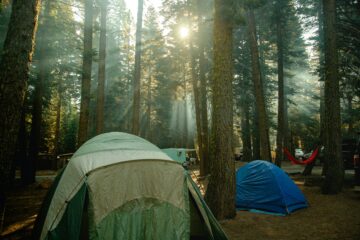
Stay near the Sundial Bridge and downtown if you want walkable river-trail access and the museum park on foot. Stay along the I-5 corridor if highway convenience matters more — it puts you on the road to Lassen, Mount Shasta, and Burney Falls faster in the morning. Campers have a third option: Whiskeytown’s Oak Bottom Campground, open year-round, ten minutes from the city. No specific hotel was verified for this guide beyond the Sheraton’s location at the bridge — pick the area that matches your plans, then check current options before booking.
FAQ
What is Redding best known for? The Sundial Bridge — a 700-foot Calatrava bridge that works as a sundial — and its position as a basecamp for Whiskeytown Lake, Shasta Lake, Burney Falls, Lassen Volcanic, and Mount Shasta: the two things this Redding travel guide leads with.
How many days do I need in Redding? Two days covers the city well on this Redding travel guide’s plan: one day for the Sundial Bridge, Turtle Bay, and the river trail, and one day for Whiskeytown Lake or Burney Falls. Add a third day for Lassen Volcanic or Mount Shasta.
Can you swim in Whiskeytown Lake? Yes. Whiskeytown has three beaches — Brandy Creek, Oak Bottom, and East Beach — and swimming, kayaking, and paddleboarding are the main summer activities. A vehicle pass of $15 to $25 covers entry for seven days.
Is Burney Falls worth the drive from Redding? Yes. At about 65 miles and just over an hour, it is the best waterfall day trip from the city, and it flows year-round because it is spring-fed. Check current reservation rules before a weekend visit.
What is the best time to visit Redding? Spring (April–May) and fall (October) for comfortable weather. Late spring through early fall is best for the lakes, and Burney Falls runs year-round.
The Bottom Line
Redding is not a city you visit for the city alone, and that is the honest pitch of this Redding travel guide. It is the basecamp that puts a world-famous bridge, a swimming lake, the state’s biggest reservoir, a year-round waterfall, and two national park day trips within an hour of your hotel. Walk the bridge at sunset, swim the lake at noon, and drive to a waterfall the next morning — that is the Redding trip.